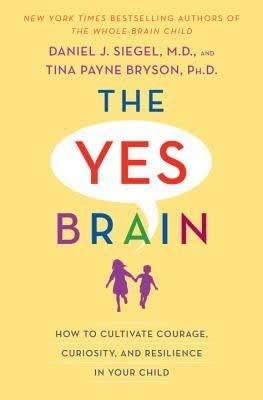
The yes brain child
By Daniel J. Siegel and Tina Payne Bryson, 2018
Pemi turned one, started standing, pointing at what he wants and protesting when we take him away from what he's doing to change his diaper... our little baby is becoming a toddler!
We had read books on pregnancy and babies, but toddlers? How do you handle their big emotions? How do you support them to persevere through the struggles of learning new skills every day? How do you help them grow confident and independent, yet loved and supported?
The first book Jasmine read on toddlers is "The yes brain child" - and it was great! A follow-up to another book by the same authors focused on the developmental trajectory of children's brains, this book takes a subtly more practical approach on how to talk to and behave towards children to help them develop a "yes brain". It was inspiring not just for how to raise Pemi, but also how to continue improving ourselves as people and parents.
A "yes brain" is a brain that is receptive: open to novelty, approaching challenges as growth opportunities. By contrast a "no brain" is reactive: it isolates us from others and we respond to situations using only a fight-flight-freeze system.
The four pillars of developing a "yes brain" mindset are: balance, resilience, insight, and empathy. Each of our emotions can be experienced on a scale of intensity: in the green zone we are in control of our emotions and our behaviors, in the red zone we experience chaos, and we get out of control, and finally in the blue zone we shut down, becoming defensive and apathetic. Balance allows us to return to the green zone, and as a parent we can help in this by being calm and soothing. Resilience helps us expand our green zone: the range of situations and emotional intensity that we can handle. To do this we need insight. As parents we can help our children (retroactively) understand how certain situations affected them and the emotions they experienced. Finally, empathy helps us understand not just our own emotions, but also the perspective of others.
This book suggests that calm soothing support and guidance is what allows children (and adults!?) develop these four pillars of the "yes brain": using kindness, communication and boundaries.
Follow along with a monthly newsletter